
The Secret Behind Authentic Italian Pasta
Authentic Italian pasta is more than a simple meal; it represents a centuries-old tradition built on simplicity, balance, and respect for ingredients. From small family kitchens in Italy to renowned restaurants around the world, authentic Italian pasta has remained a symbol of culinary excellence. Understanding what makes this traditional Italian dish unique allows us to appreciate not only its flavor but also the cultural heritage behind every plate.
Authentic Italian pasta is admired for its purity, relying on a few high-quality ingredients and precise techniques rather than complex recipes. This article explores the secret behind authentic Italian pasta and explains why it continues to stand apart in global cuisine.
What Makes Authentic Italian Pasta Truly Unique
Authentic Italian pasta stands out because of its strict adherence to tradition and technique. In Italian cuisine, pasta is not just food but an expression of regional identity. This traditional approach to Italian pasta is carefully crafted to achieve the perfect balance between texture, flavor, and sauce absorption.
Unlike industrial alternatives, authentic Italian pasta focuses on consistency and structure. The use of traditional production methods ensures that Italian pasta maintains its integrity when cooked, offering a superior culinary experience.
Ingredients Used in Authentic Italian Pasta
One of the key secrets behind authentic Italian pasta lies in its ingredients. Authentic Italian pasta is traditionally made from simple components, without unnecessary additives, allowing the natural flavors to stand out.
Durum Wheat Semolina and Water
Authentic Italian pasta is traditionally produced using durum wheat semolina and water. The quality of the semolina determines the pasta’s texture, elasticity, and ability to retain its shape during cooking. This ingredient combination gives traditional Italian pasta its characteristic firmness and rich taste.
Fresh Pasta and the Use of Eggs
In certain regions, fresh pasta recipes include eggs. These variations of Italian pasta are typically handmade and served with delicate sauces. The careful use of eggs ensures that authentic Italian pasta remains light, digestible, and full of character.
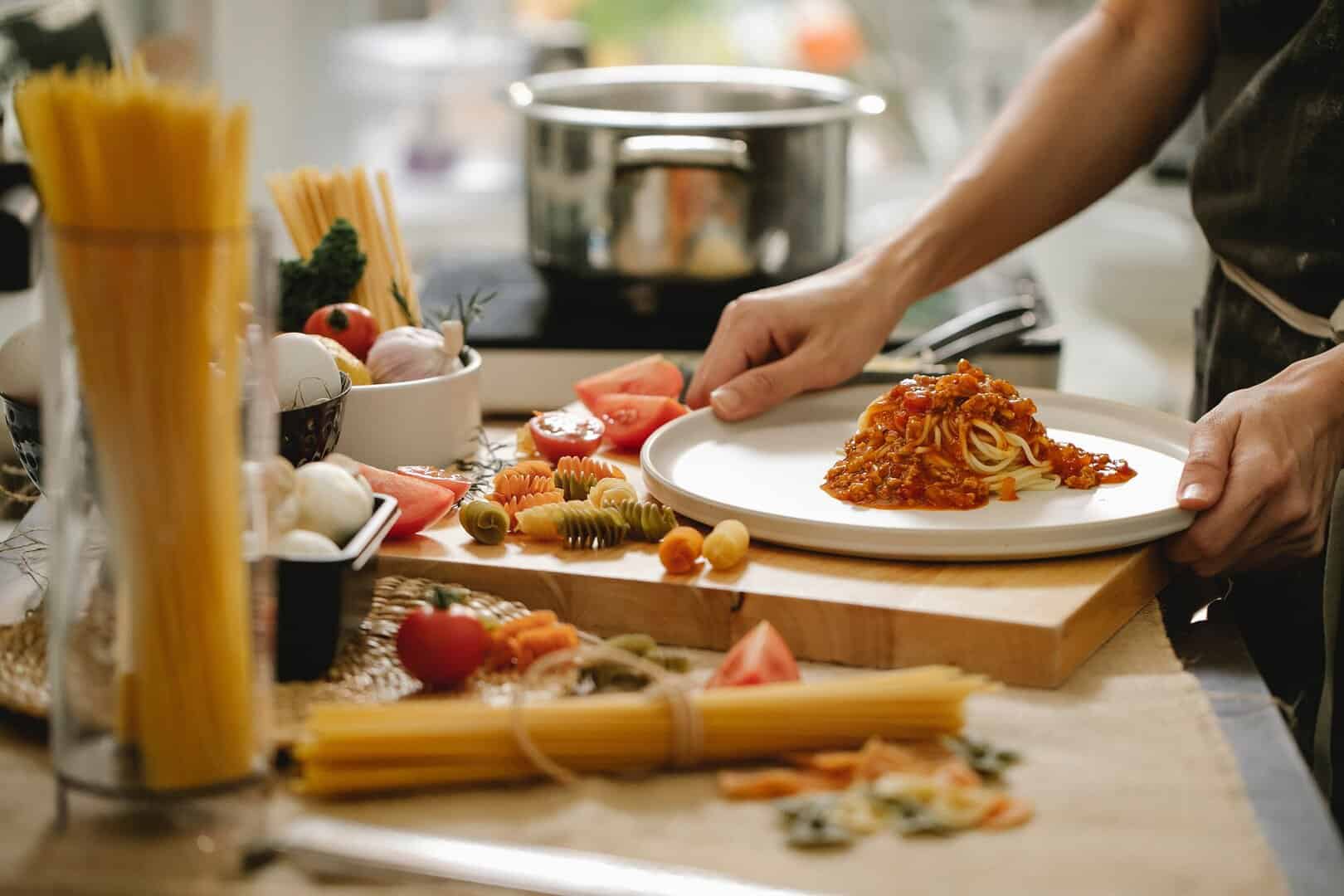
The Role of Traditional Techniques in Authentic Italian Pasta
Traditional techniques are essential in preserving the identity of authentic Italian pasta. Every stage of the process, from kneading to drying, is carefully controlled to maintain consistency and quality.
Slow Drying at Low Temperatures
Authentic Italian pasta is often dried slowly at low temperatures. This method allows the pasta to retain its nutritional value and prevents cracking, ensuring a stable structure during cooking.
Bronze Dies and Pasta Texture
Another defining technique involves shaping pasta using bronze dies. This process creates a slightly rough surface on authentic Italian pasta, allowing sauces to adhere more effectively and enhancing overall flavor.
Why Authentic Italian Pasta Pairs Perfectly with Sauces
Authentic Italian pasta is designed to work in harmony with sauces rather than overpower them. Each pasta shape is chosen to complement specific types of sauces, reflecting centuries of culinary refinement.
Pasta Shapes and Sauce Compatibility
Long pasta varieties are ideal for light, oil-based sauces, while short or ridged shapes are better suited for thicker, hearty sauces. This thoughtful pairing highlights the functional design of authentic Italian pasta.
Surface Texture and Flavor Absorption
The slightly rough surface of traditional Italian pasta allows sauces to cling naturally, ensuring that each bite delivers balanced flavor. This characteristic explains why Italian pasta plays such a central role in Italian culinary culture.
Authentic Italian Pasta and Regional Culinary Identity
Every region in Italy has its own interpretation of authentic Italian pasta. From the rich pasta dishes of Emilia-Romagna to the rustic styles of southern Italy, Italian pasta traditions reflect local history, climate, and ingredients.
These regional differences contribute to the diversity of authentic Italian pasta while maintaining a shared foundation of quality and tradition. Exploring these variations helps us understand how Italian pasta connects food with cultural identity.
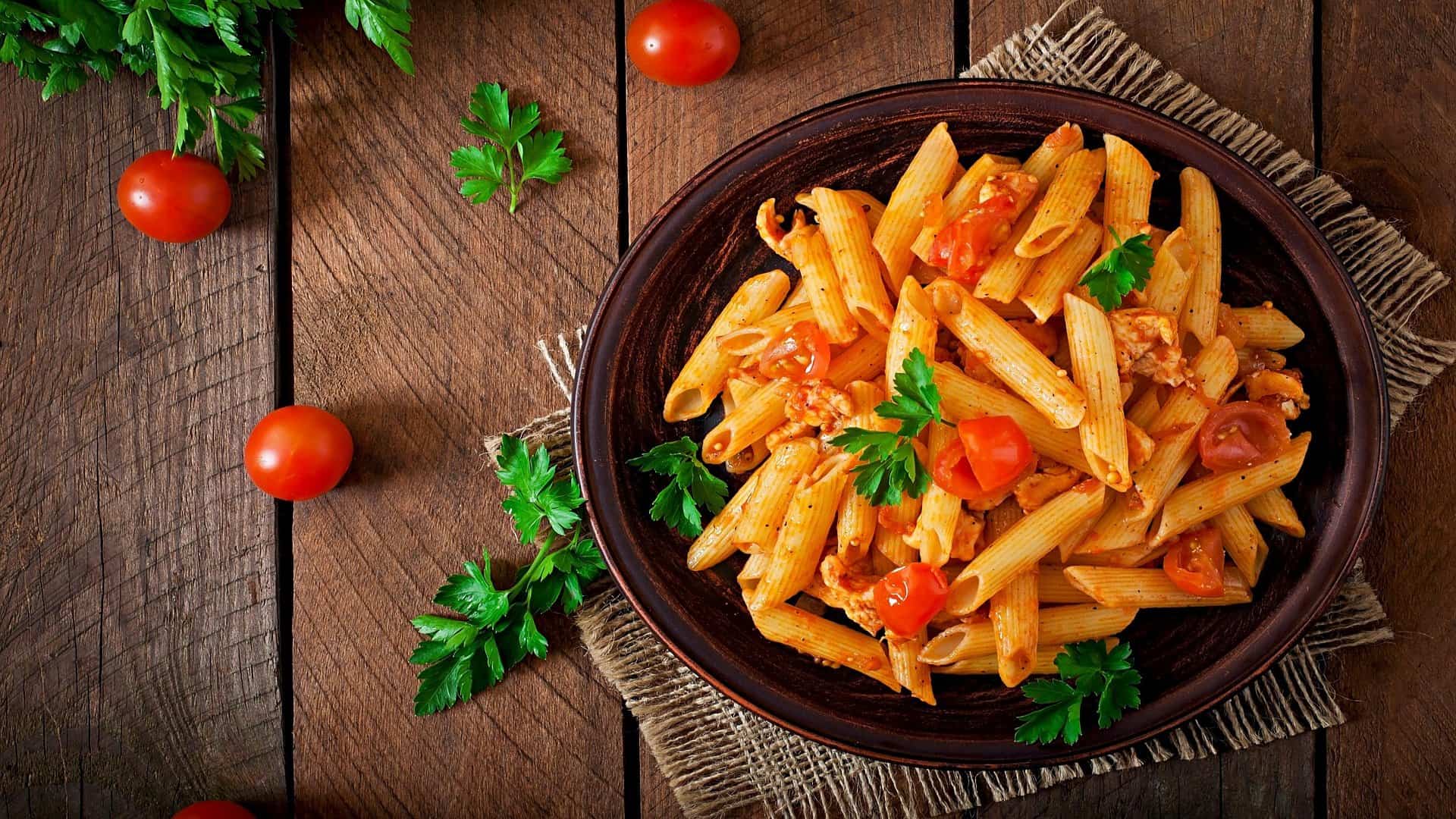
The Importance of Authentic Italian Pasta in Modern Cuisine
In today’s culinary world, authentic Italian pasta continues to influence chefs and home cooks alike. As interest in traditional cooking grows, Italian pasta prepared using authentic methods has gained renewed appreciation for its simplicity and depth of flavor.
Modern restaurants often highlight authentic Italian pasta as a symbol of craftsmanship and quality. At ItalianMood, this philosophy is reflected across our culinary approach. You can also explore similar traditions in our related article:
👉 The Story of Italian Pizza: More Than Just a Dish.
How to Recognize Authentic Italian Pasta
Recognizing authentic Italian pasta requires attention to detail. Authentic Italian pasta typically has a rough surface, a natural golden color, and a firm texture after cooking. It does not become mushy or sticky when prepared correctly.
Labels such as “100% durum wheat semolina” and references to traditional production methods are strong indicators of authentic Italian pasta. Understanding these characteristics helps consumers appreciate genuine Italian products.
The Cultural Significance of Authentic Italian Pasta
Authentic Italian pasta plays an important role in Italian family life and social gatherings. Meals centered around Italian pasta often bring people together, emphasizing connection, tradition, and shared experiences.
This cultural significance elevates authentic Italian pasta beyond nourishment, transforming it into a symbol of Italian lifestyle and culinary heritage.
Conclusion: The Enduring Secret of Authentic Italian Pasta
The secret behind authentic Italian pasta lies in its respect for tradition, quality ingredients, and precise techniques. Authentic Italian pasta is not about complexity but about harmony, where every element serves a purpose. By understanding the craftsmanship behind authentic Italian pasta, we gain a deeper appreciation for one of Italy’s most iconic culinary traditions.

Lasă un răspuns