
The Story of Italian Pizza: More Than Just a Dish
Pizza is one of the most recognizable symbols of Italian cuisine, yet its meaning goes far beyond a simple dish. Rooted in tradition, community, and everyday life, Italian pizza reflects a culture built on simplicity and shared enjoyment.
From local pizzerias to family gatherings, pizza has always been about bringing people together around the table.
A Humble Beginning with Lasting Impact
Italian pizza originated as a humble meal, created to nourish people using simple, accessible ingredients. Its origins are closely tied to everyday life, where food was meant to be practical, satisfying, and shared.
Over time, this simplicity became its greatest strength, allowing pizza to evolve while preserving its original spirit.
Simplicity at the Heart of Italian Pizza
At the core of Italian pizza lies a philosophy of balance. Dough, tomato, olive oil, and carefully chosen toppings come together without excess, creating a composition where simplicity defines quality. Each element is selected with care, not to stand out individually, but to contribute to a harmonious whole.
Rather than overwhelming the senses, Italian pizza focuses on balance and restraint, allowing every ingredient to express its natural character. This thoughtful approach transforms pizza into a dish that feels authentic, satisfying, and deeply rooted in Italian culinary tradition.
The Importance of Dough and Patience
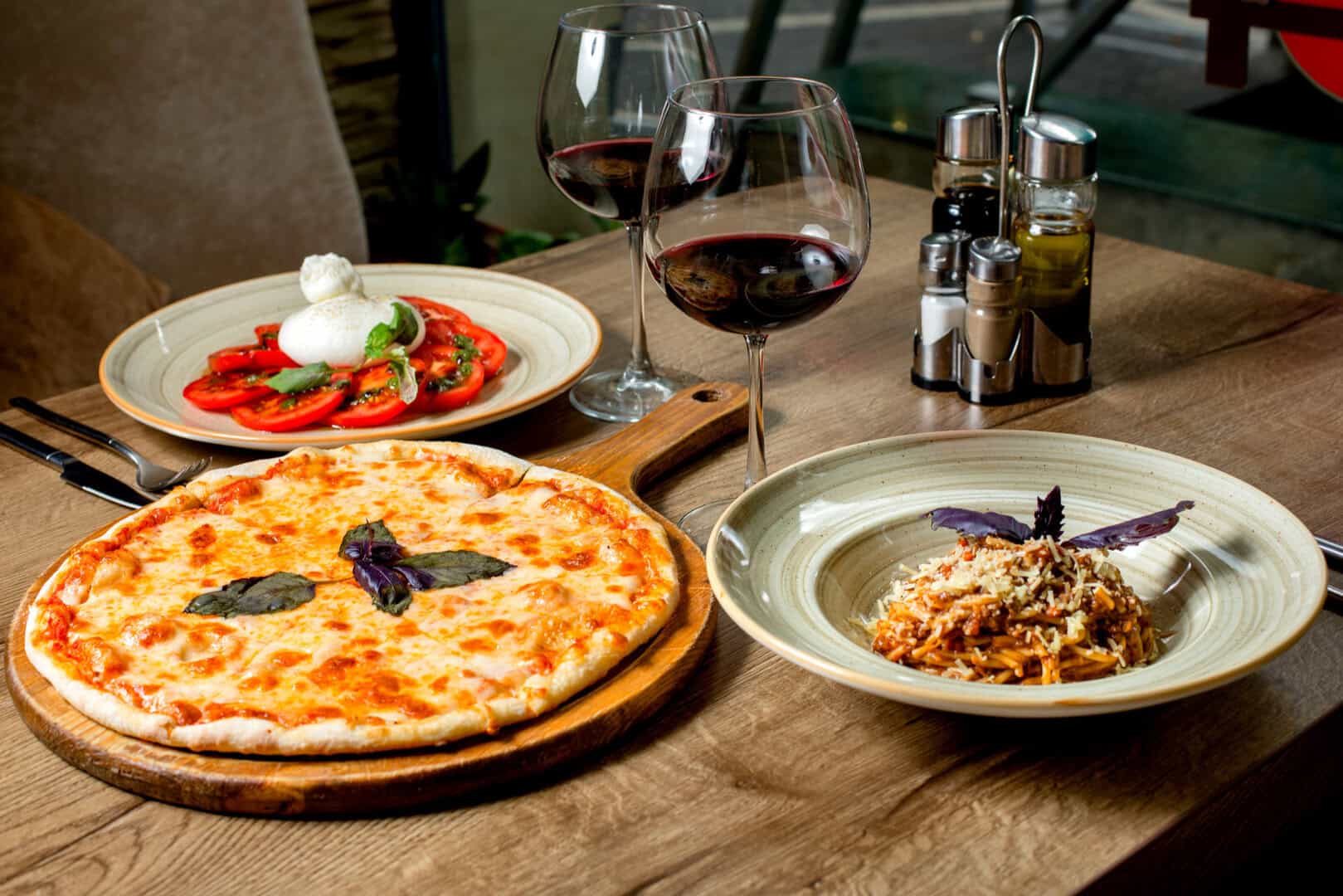
The foundation of any great pizza is its dough. Traditional Italian pizza relies on time, fermentation, and technique rather than shortcuts, emphasizing quality over speed. The preparation process respects natural rhythms, allowing the dough to evolve gradually.
Patience allows the dough to develop flavor naturally, resulting in a light and airy base with a delicate texture. This slow and thoughtful process is what gives authentic pizza its distinctive character and lasting appeal.
Tomato Sauce as a Cultural Signature
Tomato sauce is more than a topping; it is a defining element of Italian pizza. Prepared with care and restraint, it enhances the dough rather than dominating it.
The balance between acidity, sweetness, and freshness reflects the Italian respect for natural flavors.
Regional Interpretations of Pizza
Across Italy, pizza takes on different forms depending on regional traditions and ingredients. Geography, climate, and local culture all influence how pizza is prepared and enjoyed in different parts of the country.
Local Ingredients and Identity
Each region adapts pizza based on local produce, climate, and culinary habits, creating distinct styles that reflect regional identity. From the choice of flour to the types of toppings used, these local variations give pizza a strong sense of place and tradition.
Diversity Within Tradition
While styles may vary from region to region, the core principles of simplicity and balance remain consistent across all regional interpretations. This shared foundation allows pizza to evolve naturally while preserving its authentic Italian character.
Pizza as a Social Experience
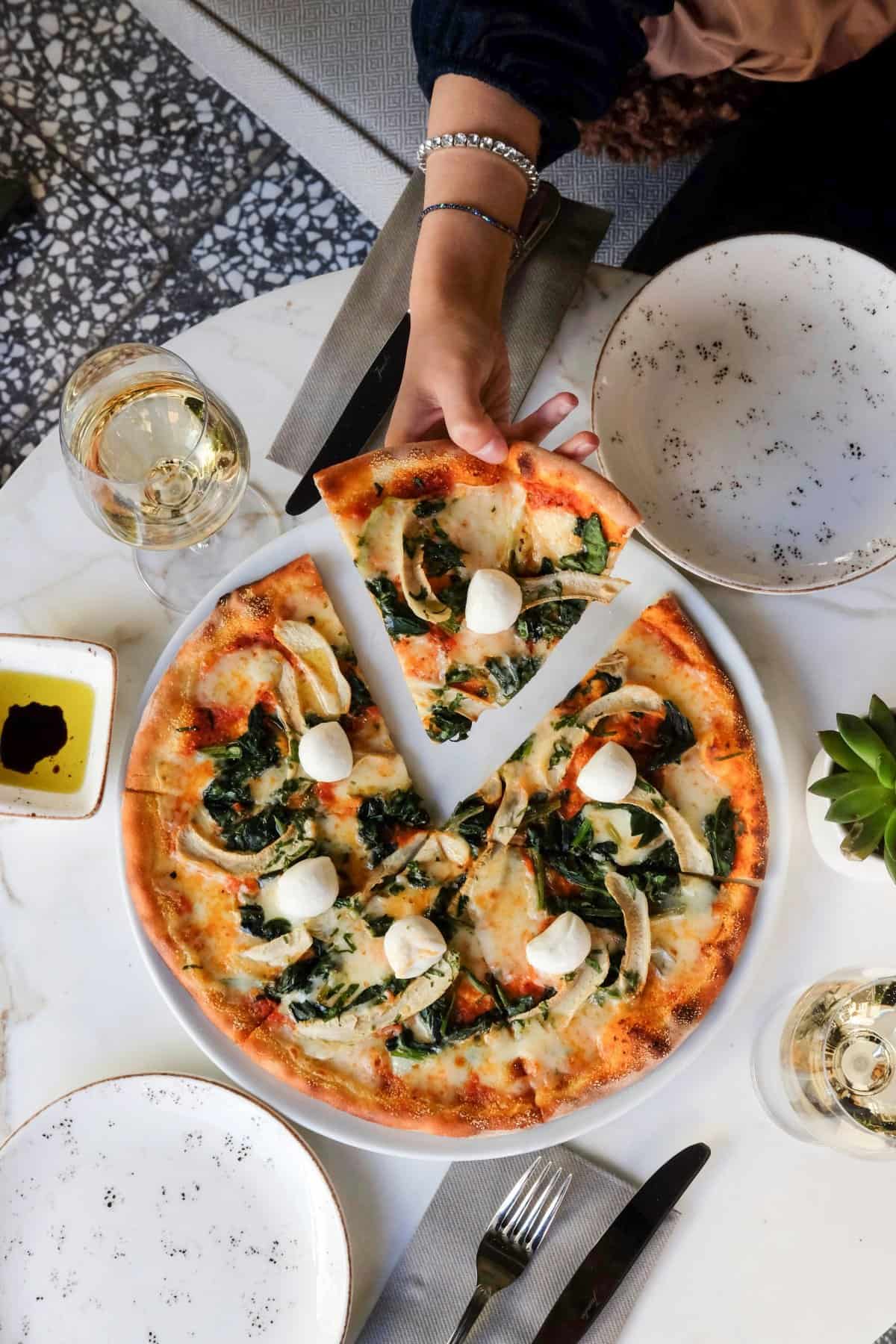
Pizza is rarely eaten alone. In Italian culture, it is closely tied to moments of sharing and connection.
Whether enjoyed casually or during longer gatherings, pizza encourages conversation and togetherness. You can also explore similar traditions in our related article:
👉 The Secret Behind Authentic Italian Pasta.
Craftsmanship Behind Every Pizza
Behind every well-made pizza lies skill, experience, and attention to detail. Italian pizza is not the result of chance, but of careful observation, repetition, and respect for technique developed over time.
Technique and Precision
From shaping the dough to controlling baking temperatures, technique plays a crucial role in achieving quality and consistency. Every step, no matter how small, influences the final result and requires both knowledge and intuition.
Knowledge Passed Through Practice
This craftsmanship is often learned through experience and observation, passed down through generations rather than written instruction.
Tradition in a Modern World
While pizza continues to evolve, traditional Italian principles remain central to its identity. Innovation is welcomed, but never at the expense of authenticity.
Modern interpretations respect classic methods while responding to contemporary tastes and lifestyles. This balance allows pizza to adapt naturally while preserving its cultural roots.
Why Pizza Remains Timeless
Pizza’s enduring popularity lies in its emotional appeal. It is familiar, comforting, and deeply connected to shared moments around the table.
Its simplicity allows it to transcend trends and generations, remaining relevant regardless of time or place. Pizza continues to be enjoyed not only for its flavor, but for the feelings and memories it evokes.
Conclusion: Pizza as an Expression of Italian Culture
Italian pizza is more than a dish—it is a reflection of culture, craftsmanship, and community. Defined by simplicity, patience, and shared enjoyment, pizza captures the essence of Italian culinary tradition.
By appreciating pizza in its authentic context, we discover not just a meal, but a story that continues to bring people together.

Lasă un răspuns